
Learn about different types of cupping, medical studies into Hijama and the numerous health and well-being benefits of Hijama.
What is Hijama Cupping Therapy?
Defining Cupping
In any conversation about ‘Cupping’ – it is important to first distinguish which type of Cupping we are referring to, as they are very different in both practice and effect. There are primarily TWO types of Cupping – Blood Cupping and Dry Cupping. Blood Cupping (also referred to as Wet cupping) is defined by the removal of blood from the body. (Hijama is in this category). Dry cupping is the type of Cupping that involves NO removal of blood. This is the type that has become visibly popular amongst Olympic athletes recently as it leaves circular marks on the skin.
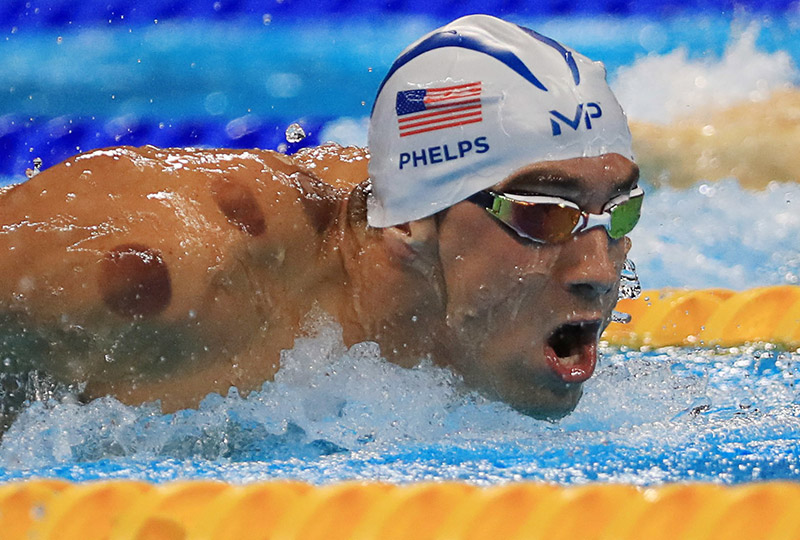
 World Swimming Champion Michael Phelps utilizes ‘Dry cupping’ as indicated by the circular marks left on his body.
In any conversation about ‘Cupping’ – it is important to first distinguish which type of Cupping we are referring to, as they are very different in both practice and effect. There are primarily TWO types of Cupping – Blood Cupping and Dry Cupping. Blood Cupping (also referred to as Wet cupping) is defined by the removal of blood from the body. (Hijama is in this category). Dry cupping is the type of Cupping that involves NO removal of blood. This is the type that has become visibly popular amongst Olympic athletes recently as it leaves circular marks on the skin.
World Swimming Champion Michael Phelps utilizes ‘Dry cupping’ as indicated by the circular marks left on his body.
In any conversation about ‘Cupping’ – it is important to first distinguish which type of Cupping we are referring to, as they are very different in both practice and effect. There are primarily TWO types of Cupping – Blood Cupping and Dry Cupping. Blood Cupping (also referred to as Wet cupping) is defined by the removal of blood from the body. (Hijama is in this category). Dry cupping is the type of Cupping that involves NO removal of blood. This is the type that has become visibly popular amongst Olympic athletes recently as it leaves circular marks on the skin.
World Swimming Champion Michael Phelps utilizes ‘Dry cupping’ as indicated by the circular marks left on his body.
In any conversation about ‘Cupping’ – it is important to first distinguish which type of Cupping we are referring to, as they are very different in both practice and effect. There are primarily TWO types of Cupping – Blood Cupping and Dry Cupping. Blood Cupping (also referred to as Wet cupping) is defined by the removal of blood from the body. (Hijama is in this category). Dry cupping is the type of Cupping that involves NO removal of blood. This is the type that has become visibly popular amongst Olympic athletes recently as it leaves circular marks on the skin.
World Swimming Champion Michael Phelps utilizes ‘Dry cupping’ as indicated by the circular marks left on his body.
In any conversation about ‘Cupping’ – it is important to first distinguish which type of Cupping we are referring to, as they are very different in both practice and effect. There are primarily TWO types of Cupping – Blood Cupping and Dry Cupping. Blood Cupping (also referred to as Wet cupping) is defined by the removal of blood from the body. (Hijama is in this category). Dry cupping is the type of Cupping that involves NO removal of blood. This is the type that has become visibly popular amongst Olympic athletes recently as it leaves circular marks on the skin.
World Swimming Champion Michael Phelps utilizes ‘Dry cupping’ as indicated by the circular marks left on his body.
In any conversation about ‘Cupping’ – it is important to first distinguish which type of Cupping we are referring to, as they are very different in both practice and effect. There are primarily TWO types of Cupping – Blood Cupping and Dry Cupping. Blood Cupping (also referred to as Wet cupping) is defined by the removal of blood from the body. (Hijama is in this category). Dry cupping is the type of Cupping that involves NO removal of blood. This is the type that has become visibly popular amongst Olympic athletes recently as it leaves circular marks on the skin.
World Swimming Champion Michael Phelps utilizes ‘Dry cupping’ as indicated by the circular marks left on his body.